Thursday, April 6, 2017

After School Thoughts

Another year is wasting away in innumerable township havens of poverty’s sting paralyzing our country’s economy, and young adults and their children are camping under faded trees with dreams burnt dry by the heavy rays of failure.

Many having given to drink and others suicide, schools are a distant memory or a distant prospect in a world known for perpetual plight and misery.

Last year’s student protestations left college gates choking with aspirant scholars who cannot be accommodated and while townships sink into disparate mires of criminal infestation, these monuments of the education industrial complex fleece millions of students who cannot even afford a loaf of bread.

Destitute young women will soon be parading bellies ripening with fatherless fetuses, while the mining industrial complex reassembles and repurposes desperation of lethargic young males towards its own damning tortures fueled by narcissistic dreams.

It cannot be denied that in less than three decades, we have observed a catastrophic demise of the South African education system, which has by all means been under siege due to a number of factors and inevitable alterations in the objective demands guiding our country’s democratic project.

Constitutional mandates required hordes of black students to make it through colleges and universities, and through this race for a skilled workforce, many compromises had to be made and valuable integrity traded for rapid inclusion into the radical economic development machine.

When global education is seemingly flourishing in other economies, South Africa’s education institutions are now imploding, and a process of de-development is underway from kindergarten to lecture halls.

Observe how the auspicious move towards raising graduate numbers among black pupils has seen an opposite effect, where many black students realized that they were utilized as pawns in the initial stages of the devaluation of educational content for the creation of factory workers consumed by debt and unreachable dreams.

And now our country is experiencing a drop-out boom, and a vast number of matriculants are not even equipped to enter tertiary level education due to sub-standard education inculcated throughout basic and secondary education stages.

While the higher education industry is advocating for more financial inclusion of under-resourced and needy students, many young people are resisting because they now recognize college education as an over-priced social marker than a tool in their pursuit for personal goals of ‘a good life’.

The brittle or broken education system needs to admit that it also failed by watering down classical education for mass consumption of the previously disadvantaged black people at primary and secondary school levels.

The so-called Outcome Based Education system has inadvertently created a crisis of illiterate automatons who seldom can spell, read or critically analyze any written text from a logical stand point.

The root of these failures lies with the people entrusted with running these institutions; most of them being products of other mediocre education systems of course, but what is the purpose of this stupefying mediocritization of our present curricula disseminated at primary and secondary school?

Does our government mean to work this hard and expensively to create an under-educated population?

Where does our country’s education system rank in world ratings for best science for instance, or mathematics, biology and other classical studies which produce diverse experts of international renown?

As opposed to our present state run compulsory schooling, I believe schools should aim to be vestiges of classical education, but over the past couple of decades our education has been inextricably tied to capitalist global psychological warfare agenda, whose main weapon of engagement is always media.

The entertainment industrial complex is unquestionably more pervasive in townships where it creates reality bubbles which deny true realities of poverty, exploitation and economic servitude any consideration by minds obsessed with Beyonce’s hairstyle.

And some of these dreams proliferated through media, these consumerist tendencies bred by a staple diet of exuberant affluence are what has created a fast food education system through which many imagine quick fixes towards economic emancipation.

Fictional wars are fought by gaming teenagers avoiding ‘homework’, through joystick adrenalin injections and fake bullets maiming characters in virtual battle zones. 

But what happens when our entertainment is pent of programming a militarized population who will never flinch at the sight of blood?

Our schools seem to continually weaponise knowledge themselves, creating competitive automatons who are only experts in specific fields of study and therefore work, who cannot branch out of compartmentised utilization of their mental faculties.

Schools have truly become prisons with books.

Many economists often attribute the low wage growth in the country to educational stagnation and a tertiary education system that prepares the next generation for jobs that won’t exist.

On the cusp of this  ‘a dropout revolution’ as we can call this new paradigm of social transformation, many graduates for instance, now feel obsolete in today’s information economy and many are joining the unemployed emerging from either professional or informal work that is now performed by overseas sweatshop slave labor or by machines.

And a great number seldom recovers from joblessness of course, when living within an economy relegated to ‘Junk Status’ by ratings agencies, with an ever exploding population inundated with poverty and ceaseless unemployment.

And what we are now observing is a counter stance where many have embraced a freedom to fail, dropouts getting pregnant and giving birth to children without homes and family support.

Young men will be joining their unemployed fathers and uncles at shebeens to suppress the ever growing depression that yields many powerless and despotic.

How the majority of disenfranchised youth react to the incipient economic biases created by defective educational initiatives is yet to be witnessed, more intensely and violently than the recent fees protestations.

What I find it interesting as well is how the bank(ruptcy)ing system’s generosity is becoming increasingly linked to ‘higher rates of entrepreneurship’ through loans and over-drafts to newly employed adults, and having seen how many efforts by the youth are towards battling the stranglehold of pennilessness, indeed poverty has created an ever increasingly desperate breed of entrepreneurs and loan seekers.

Anarchist squatters are mushrooming in every city across the country, mainly comprising of politicized youth who have been discarded by the wage system, education system and even family systems. And not surprisingly, the anxiety about the invalidity of ballot promises has also given these disenfranchised masses a common enemy in this age of plenty for a few.

Desktop employment is otherwise the alternative cult among those who cannot do professions which require brain work, and of course, this could justifiably be labeled as another superstitious wish and a philosophical tabloid preached by yet another deranged evangelist of a type of school system that 
NEVER numbs down our human intelligence.

But let our INTELLIGENCE GROW as we will it.


Kokosi Architecture


Monday, March 13, 2017

TOWARDS CREATING AN EFFICIENT AND HEALTHY MERAFONG CITY

In a little over 20 years since South Africa underwent a peaceful transition from apartheid to a constitutional democracy, considerable social progress has been made toward reversing the discriminatory practices that pervaded all aspects of life before 1994. Yet the health and well-being of most South Africans remain plagued by a relentless burden of infectious and non-communicable diseases, persisting social disparities, and inadequate human resources to provide care for a growing population with a rising tide of refugees and economic migrants. 
Even though South Africa has the largest economy on the continent, a quarter of its people live on less than a dollar each day.

Social grants have reduced absolute poverty, but 45% of the population still lives on approximately $2 per day (the upper limit for the definition of poverty). More than 10 million people live on less than $1 per day — the so-called food poverty-line below which people are unable to purchase enough food for an adequate diet. Even at an income of $4 per day, the quality of life would not be remotely near the level that the majority of South Africans had hoped for after the end of apartheid. Relative poverty has become worse, with the Gini coefficient increasing from 0.6 in 1995 to almost 0.7 in 2009, we can only imagine the level of poverty now in 2017.

Reflection on some major health challenges and recent trends in health, wealth, health care, and health care personnel provides dire glimpses into near future prospects. South Africa, with 0.7% of the world's population, accounts for 17% of the global burden of human immunodeficiency virus (HIV) infection. The devastating effects of the pandemic on the lives of individuals, families, whole population groups, and society in general has received special attention. This is clearly visible in mining areas of the country, and the trend should be confronted with acute strategic interventions which often require commitment from the corporate sector.

Health should be considered within the broader context of direct and indirect links between wealth and health, although these relationships are complex. When extreme poverty affects a large proportion of the population, as in South Africa, health is predominantly affected by a lack of access to the basic requirements for life — clean water, adequate nutrition, effective sanitation, reasonable housing conditions, access to vaccinations, good schooling, and the childhood and adolescent nurturing that, with the availability of jobs, set the scene for improved health and longevity.
OXFAM recently reported that The top 10% of South Africans earn 58% of the total annual national income, whereas the bottom 70% combined earn a mere 17%. These disparities, the widest in the world, are associated with what is often termed ‘diseases of poverty’. 

The persistence of such disparities is incompatible with improvements in population health, and that would beg the question, what direct implications do these disparities have at a microcosmic level of municipalities such as Merafong Municipality and even towns such as Fochville? Many of the municipal hospitals and clinics are in a state of crisis, with much of the public health care infrastructure run down and dysfunctional as a result of underfunding, mismanagement, and neglect.

The municipal management of Merafong City has regrettably been quite inundated and characterized by many personages of disrepute, including those in leadership positions, who have been co-opted into the lavish lifestyles, wasteful consumption patterns, and nepotism that frustrate the ethos required to reduce inequities in our communities. It would therefore be essential to address the municipality as a whole in my quest to sequester an inkling of empathy from the well-off on behalf of the depraved.

Our townships are sick, and appropriate responses to Merafong City’s health care challenges would be to address the social determinants of health (which lie outside the health system) as a municipal over and above a national priority, strengthen the health care system, and facilitate universal coverage for health care. The local Mining Companies are first and foremost the culprits who should be engaged on issues of social development more vigorously before they pack their bags of jewels and emigrate to international greener pastures. As corporate institutions with constitutional obligations for developing host communities, they should be mandated to created avenues for funding the training essential health care practitioners such as Nurses and Community Health Workers.

Nurses have long been central to health care, especially in underdeveloped areas where physicians are reluctant to practice. Between 2003 and 2012, the total number of nurses in all categories on the Nursing Register increased by more than 40%. Although many registered nurses may not be practicing there is still a dire shortage of qualified nurses in areas such as Merafong, and Community health workers who are recognized as a means of improving access to health care and encouraging community participation in health care in peri-urban, are mostly are employed by nonprofit organizations.

Concerted action will be needed to strengthen our district-based primary health care system, to integrate the care of chronic diseases and management of risk factors and to develop a municipal surveillance system with the goal of applying well-managed and cost-effective interventions in the primary and secondary prevention of disease within whole populations. Merafong requires at least three times its current health workforce to provide adequate care for patients with HIV/AIDS. The recent thrust toward training more community health workers (without the support of mining companies) and the successful development of front-line worker–based programs to control tuberculosis and HIV infection offers considerable promise.

Increasing the number of health care professionals and reshaping health services pose major challenges and the wide gap between planning new training schools and making these functional will not be easily traversed without the mining industries in the region. One of the first priorities must be to resuscitate and strengthen existing facilities and to strive for high-quality teaching, conditions of service, and an ethos of care in clinical services (at all levels) that, in synergy, could foster the dedication of health care professionals to provide services with excellence, rather than merely seek the security of a job and a salary.

Given the different strengths and weaknesses of the public and private health care sectors, any strategic alliances forged with the private sector to improve health care services in the public sector will have to be mutually agreeable while biased toward strengthening the public sector in the national interest.
It is in this light that I propose that each mine operating in the region construct world class health infrastructures, such as well-equipped and professionally staffed clinic for public health care.
·         Each mine must construct a fully functional clinic, with priority being made to pediatric clinics for the growing number of single mothers and water borne diseases which are threatening the lives of little ones.

·         All eleven mines can gunner support and funds to construct six world class hospitals which can accommodate   and services communities from Merafong City, Westonaria and Randfontein Municipalities.
·         All eleven mines must each fund the construction and refurbishing of a single boarding school, which will cater for the young, provide them with environments conducive to high quality learning without the distractions of township poverty and moral degeneration.

The sustainable contribution of the youth to local community development relies to a large degree to corporate support and with regards to a strategic intervention, Multi Purpose Community Centers are essential for recreation and knowledge generation, which requires re­sources combined with well-managed infrastructure. These MPCC’s can function as a precinct where a variety of innovative activities that are people-oriented, community-minded, programme-oriented, professionally solid with well-trained personnel and above all, children-friendly, can be executed to play a major role in the development of Merafong as a whole.

While our municipality should tirelessly strive for the development and promotion of sustainable youth activities, such as skills development training, tertiary education sponsorships and even arts and culture support for the many creative talents boasted by the region, and the mines can play a crucial role in the achievement of these goals.

The contribution of quality education in advancing deve­lopment is unquestionable the world over, and our youth need education and vocational training so they can make the most of their country’s assets and opportunities availed by progressive municipal structures. In every township there are ‘open spaces’ that are left abandoned are at risk of physical decay or redevelopment, and they can represent a loss of opportunity to revitalise structures that contribute to the identity of a community and its social traditions. These spaces can cater for a variety of recreational facilities, such as parks and playgrounds as one effective way of ensuring that the interests of children are given consideration.

Cultural diversity and the appreciation thereof has been at the forefront of our identity as a country, but in light of recent xenophobic attacks one is left to wonder whether the issue has rather  become an issue of business survival and business viability of local business entrepreneurs.
It is here that MPCCs can play a critical role in educating our communities about other cultures; a space which will boast a library with a diverse compendium of literature, a gallery which will host various communal artworks and a performance space for all the poets, thespians and dancers who are around every corner. And as the youth are the voice of cultural diversity, untainted by norms and traditions; they should therefore be prioritized as Robert Sobukwe had advised.

If we want our youth to inculcate an entrepreneurial acumen that will contend with many business models employed by more frequently our foreign economic migrants, we should as a municipality be looking at developing learner-ships that will enrich business knowledge and therefore business viability in our communities. The mines can benefit immensely by investing in this aspect of human resources development; and as centers of interaction of various cultures they can also play an important role in maintaining peace among the various groups employed.

Peace is essential for happiness and joy in the family, in the community, in the society, in the nation and in the world. Our world is troubled in many ways today and peace is threatened so often because people do not understand their neighbours. The mines can engage in communal conflict resolution and reconciliation as essential elements for the attainment of sustainable peace and unity. They can, through their programmes and activities, reconcile the various interests in the society for the collective good of the nation; they can use their unique positions to reach the conscience of the nation and to foster dialogue, and they can become rallying points for the country in ensuring that peace is enthroned.


Wednesday, March 1, 2017

CUT UP Poem 7

rusted into steel of his composure
are sores and warts glistening under a mirror sun
futile breezes whispering on wounds he inflicted
for others whom he claimed to heal

haunted by mortality’s ghosts he pleads
to dying gods of aims and bloodied swords
for a life worth memory among lasting maggots
in love’s tombstones made of bones

Unholy Favors

Unholy favors hum spells of my distant prayers,
Hauling whirlwinds of forbidden words
Blundered in my fate of arrogance.

Questioning eyes gleam daring me
Towards lingering advantages of wasted youth,
Blood-stained gravel and tombstones.

But what a rash clock,
Cupped hands holding violent tears,
Nudged by rare urges and impotent devilry?

What mighty and calm shadows
Anchor their arrivals
On symphonies of my strange dust?

Wednesday, February 8, 2017

My Kokosi

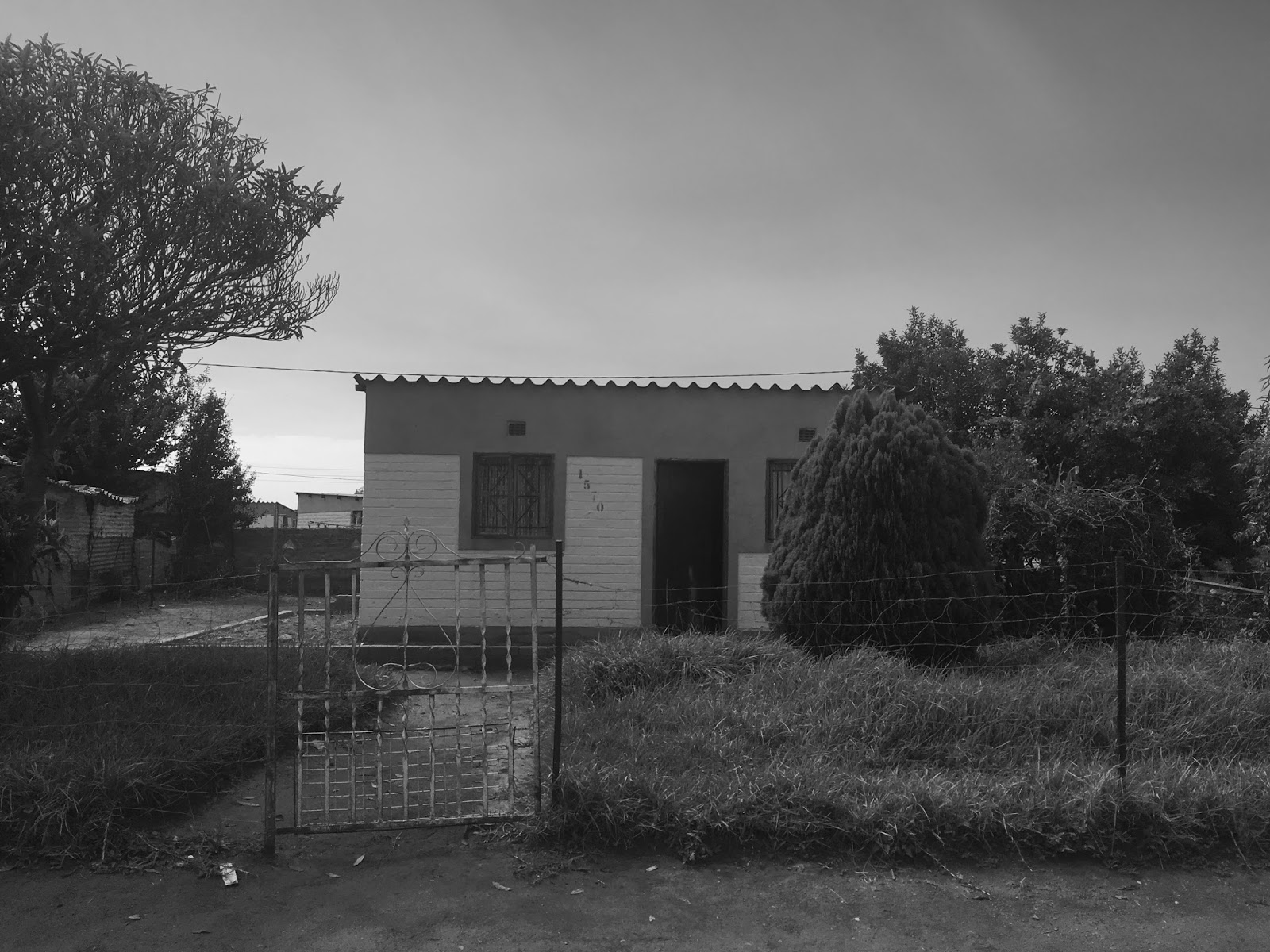
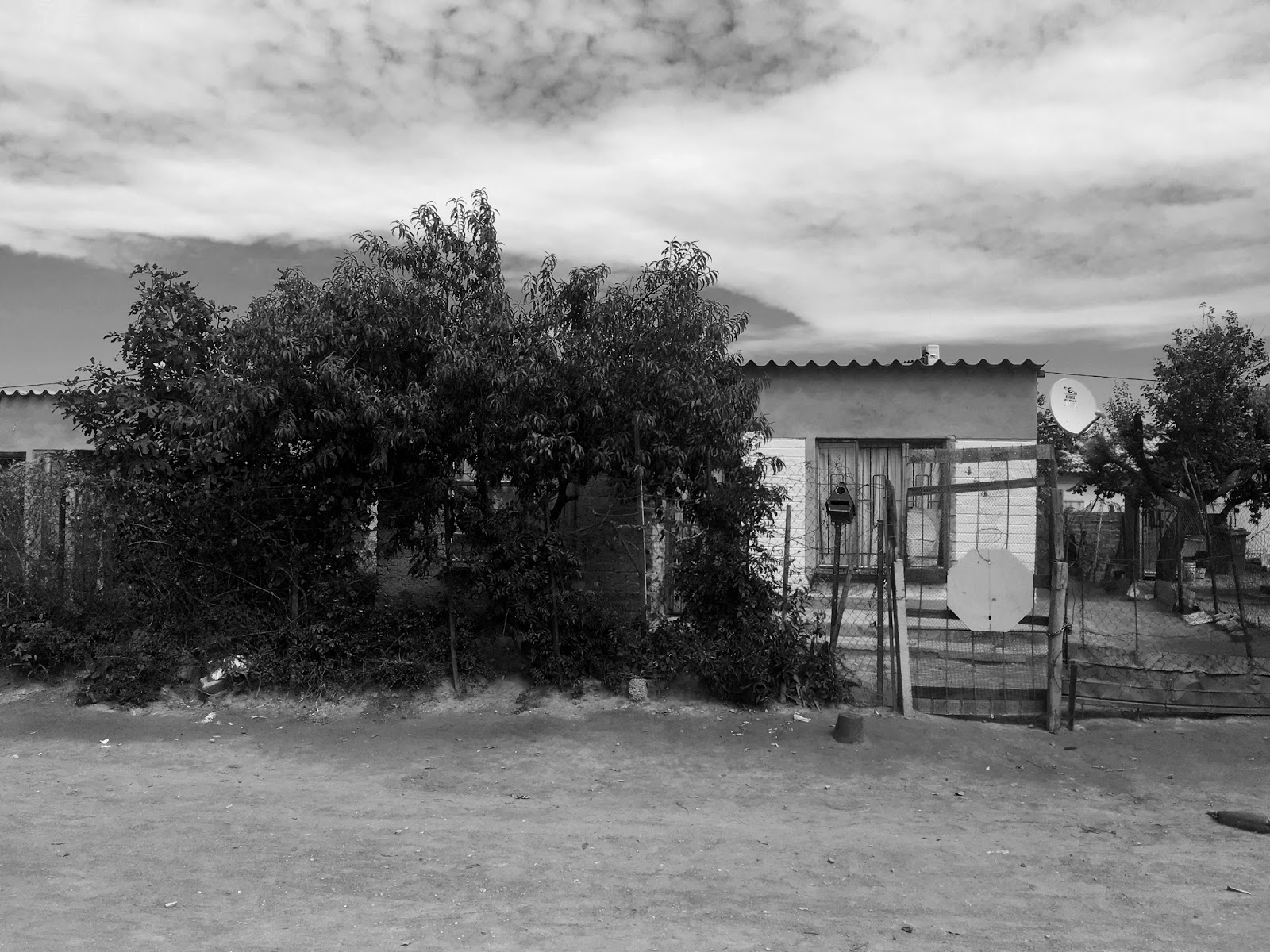
On approaching the township, flanked on your left stand heaps of rubbish, barbed wire fences with sordid plastic bags clinging for dear life on steel razor teeth, and there about you find children digging methodically in garbage piles.

Rain sheets down from a perfect dome of clouds dominating the expanse and human noises subside on yet another thunderous night, but nearby a tavern is in full swing, with revelers spending lives and wages on rare whisky and cheap cigars.

This is a newly evolving under-class of mine worker prosperity, with purported affiliations to the affluence of middle-class life, young men and women who have had a taste of city life boasting the latest phones and shoes, pouted lips smacking lenses for perfect ‘selfies’.

Raised by strong hands of aimleiiss parents and aunts worn out by years of kneeling on ceramic floors of mansions while waking up on piss stained blankets in shanty shacks made of stolen corrugated steel sheets; these youngsters are living the dreams they missed.

Their wishes are for a better life in the new imperial cult of world-class lifestyles, where they can vicariously exemplify success for their parent as well, those who worships their sons for being the first to buy a car on their dusty street.

After years of being brutalized by their inadequacies in metropolitan dog-eat-dog games, many have returned, found jobs through nepotism and corrupt means synonymous with the present political dispensation.

They become town clerks, managers, supervisors in gold mines and boiler-makers or construction workers, bred in a squalid place, left only to dream of the new-pin neatness of designer labels and ‘bank-owned’ cars of some irrational exuberance, while renting townhouses from white Afrikaner real estate agents.

But what can be expected of generations forged from the crucible of a life surrounded by eleven mines, besides an HIV pandemic that spreads like wildfire in backyard taverns catering for the ‘made’ ones?

It is a known fact that the mining industry has largely been responsible for some of the most heinous crimes against humanity this country has ever witnessed, from the poisoning of water resources to exposing workers to radioactive silicosis causing agents.

Though the industry is highly profitable, it is also lethal, and has ruthlessly uprooted people from their lands, and in my region, an extensive collusion between the Merafong municipality and capital continues to this day, at the expense of lives and livelihoods.

Shopping malls are built to monopolize business interests, clinics renovated without silicosis and tuberculosis wards, not even adequate supplies of ARV’s, while classrooms are built among dilapidated buildings of aging and under-resourced apartheid era schools.

Under guise of political compliance with state regulations, mining corporations such as Goldfields, Shaft Sinker, AngloGold (now bearing a suffix Ashanti) and BME pent on wealth beyond any means, they have managed to fool both the victims and their greedy accomplices in government offices.

The industry is known to use the judiciary to amend legislations; they utilize health municipal infrastructure and personnel to safe guard secret causes of workers’ diseases and deaths.

Research among affected residents has yielded allegations as scandalous as falsification of medical records of workers, and editing of pathology reports to conceal traces of cancer causing chemical agents in mining related illnesses experienced by many residents of Merafong.

The mines even lobby finance institutions to concoct financial schemes and contracts which steal benefits from unsuspecting workers, all done under the auspices of legal practitioners who throw wool over the eyes of illiterate clients and  exploit their situations for other sinister motives of profiteering.

And all this harm is done under the condition that mining is an inherently dangerous industry, which also is bedrock of South Africa’s development and economic growth.

Though most mines have been revealed to have financial arrangements that would put its former executives in acute constitutional difficulties; most legal obligations have been averted through puny CSI Initiatives hailed as successes in annual reports distributed by these company at exuberant conferences and gala dinners.

But undeniably, the seemingly irreversible demise of Merafong and its perpetual decline into extreme poverty is tied to the perilous history of the mining industry, and its continued disregard for human life and socio-economic development of communities from which labour is harvested.

Forced depopulation through ‘random’ squatter camps is also a crime against humanity, and this is staunchly stated by the Rome statute of the International Criminal Court, but most arable lands are still usurped from black people in this age of economic apartheid by corporations pent on mineral monopoly.

Elite loyalties having always been with their insatiable desire for the accumulation of more capital, social, environmental and economic justice will forever remain an eyesore for visionaries of new ways of profiteering.

Since the explosives company BME (Bulk Mining Explosives) annexed the Losberg hillside, much of Fochville has been turned into an equivalent of Chenobyl, and no inquest will be held of course into the deteriorating health of the community, which would determine blame and therefore compensation.

No research into the health impact of the company’s close proximity to residential areas has been conducted, nor has research into the health of mine workers been made public, in spite of the hot, silica-filled, dusty and insanitary conditions prevalent in the mines.

And considering that today, death from occupational disease is classified as ‘natural’ in our country; it comes as no surprise that our government hasn’t shown interest in justice for miners, who make a majority of the employed citizens of this country.

No inquest has been held into a single death which occurred as a direct consequence of exposure to excessive levels of dust and chemicals, no employer prosecuted for exposing workers to harmful substances in the workplace.

Utilizing and repurposing mine waste rocks for foundations of a shopping mall is one way of burying a dangerous environmental liability, while catering for the exorbitant consumerism punted by media and financed by wages of insecure workers.

No significant reduction in environmental incidents is visible around Merafong, yet mining companies congratulate themselves with pronouncements of their so-called ‘management of cyanide and waste generated during gold production’.

While dust emissions have not been mitigated in many areas, companies such as Anglo are boasting about plans to remediate areas impacted by contamination from tailing storage facilities dotting the West Rand landscape.

But of late, with its Environmental Management Programmes, the company has managed to ‘develop strategies for rehabilitating contaminated soil and ground water resources’, only after more than a century of exploitation and an inexhaustible continuation of degradation of the environment.

Today, our townships have become prison-like compounds that enslave the mining and agriculture industry’s workforce, and reminiscent of the diabolical spirit of the infamous Land Act, Africans have been driven into a new type of ‘native reserves’, where we are but a cheap source of labour for pennies.

The self-same ‘native reserves’ of the cursed apartheid years, which were funded through industry and legitimized through a rogue judiciary, are now welcoming mining conglomerates boasting names of black empowerment partners’ on boards and public relations campaigns.

Names of struggle stalwarts such as Sipho Pityana and Cyril Ramaphosa are brand accolades donned by corporate brands, bearing the blessings of a ‘struggle aristocracy’ which seems more versed in latest fashions and automobiles.

While the state’s police force has been instrumental in sustaining apartheid’s legacy of intimidation, this ‘democratic’ institution is covertly involved in mass incarceration of thousands of young black men, who now toil daily on white-owned farms as unpaid labour.

The police force and it’s piggybank prison system also seems certifiably co-opted to become guardians of elite interests, and security guards wielding guns at miners protesting for their share of the golden pie are the same black desperate faces, take Marikana for an example.

Through our townships, prisons are filled and maize fields tended to by inmates circulated around farms owned by racist ex-military generals, for the purported benefit of a nation under siege from all sectors of the corporate world.

I am left to wonder what it would take for the mining industry to pay reparations to affected communities and individuals, to compensate not with pittance but capital, for the killing and paralyzing of local workers on an industrial scale.

Will the growing number of miscarrying young women who worked at ‘explosives companies’ become another statistic of corporate neglect, while enduring widows bury their children with severance packages squandered by incompetent lawyers and funeral societies?

What of the thousands of young men being recruited by mines to pillage earth’s dwindling resources for unworthy remuneration, squandering their health in the name of economic growth and productivity?

These and many other questions require answers, and we as a community seem complicit in the continuing tyrannical silence that shrouds our most blatant murder, because generations are passing through chemical fires and radioactive heat to be forever maimed.

While Zamazama’s are mushrooming around every mine housing complex, and illegal deals are making fly-by-night millionaires of the most affluent yet under-educated of generations, the corporate elite are making exorbitant profits and raking bonuses to buy entire islands.

And while ‘undetected’ rock falls kill innumerable youth, I suppose this begs the question, how was this rampant up-for-grabs attitude engineered, and how does poor black youths fit into the equation?


Tuesday, February 7, 2017

Thinking Of The Student Activists #FeesMustFall

A shadow’s eye sees under rocks burning
With young souls singing anthems of slaughter

Twinkling their eyes blind as a sun dying
Open to weakness that nourishes their saunter

Who salts these skins nursing herds of deranged hopes
Their brooding calls echoing among starving tombstones

What war dates are set in cheap rhymes of these students of the unborn
For rescues of loved ones vanquished to paradises abandoned to demons

On Memories

Like weavers of time eroding   We ride storms into an unknown each day  Ever longing to give for  Those that wrestled with demons and lost  ...