Monday, January 24, 2022

Untitled (Currently)

Roaming the streets derelict and dreamless

Past narrow back alleys exacerbated by memories of secret rendezvous

Hours that dashed past idling stalls and spazashops

Luxuriating in sweet longing for disappointments


Guilt-ridden comforts and mistakes plotted

Suddenly frequent my sleep with charming disquiet

And I awake with a shudder at simple essences of decay about me

Meandering these drunken streets burning with chills of obituaries


Slumberous walks of a distraught mind at bridges to erasure

Entrusting his heart to gossip and other curiosities

Conclusions prolonged with psalms of a wondrous life upended

Here his story is a parody unconsoled by drink and scented smoke


Rags he scrutinises inside wait on shoulders of his monsters

Seizing all torment and suppressing its surge from gurgling into drains

From whence the ghetto sniffs itself throughout heat blizzards 

Ransacking its treasures of boredom and tedious leisure


With such glimpses into reprimanded futures

Caged with other birds and dissipating lives

Lacerating a heart weighed by worrisome indulgences with rescues

Of my kin known for intolerable ignorance and spite


In him each death mourned during evenings’ agonies

Flickers disconsolately like a faded film overlooking pasts possibilities

And the ambient tale of sorrow writes yet another chapter to be sung 

Aghast with castigation by other forlorn sons and daughters ruined by emptiness


And could this be fate’s dealing a tolerable hand unclenched

To gamblers with souls as cards to barter for vouchers and life expectancies

Amidst animal vanity and proud displays of wounds as tokens

At this final hymn of strange-less days welcoming wayward guests knocking when tears abate


Could these unhinged heads be laughing in chorale to their ghost-face

Reciting thrills to soothe vanished spies who died with old middays

And could this walk be final and borne safely to the rim of oblivion

Without chronicling my disdain for shuttering searches for a respite?


Will we once witness a storm of butterflies inhabiting most our reveries

In unison with our peers soured by age and diseases of mad-towns

Out here at the outskirts of mercy and fortune for the unjust

Where many have inspired ghosts to labour on their behalf?


Perchance not

For the rifles are dealt to the brave to slaughter those closest to heart first

Out here, where swamps of rage boil with heartbeats of young provocateurs

Who face bleak nights jostling with frayed and tempered angels – and rage


Friday, January 14, 2022

A Poem Without A Cause

When shimmering January skies, clad in wafts of tinged breezes

Quiz my soul drowned by sobs of defeat

Why my thoughts nestle in disquieting shadows?

I brave all illusions and pressure my dire pretension

To  trust in fate’s impassioned arms unsuspecting of thorns.


With reproach, my inner eye greets misery

Each dawn handled like a vase of decayed petals

And with blunt candour, I retrieve my scars

Daunted still by betrayed nakedness before sorrow

And a probing love dismayed.


The crude dullness of being unwithering

On some outskirts of intuition and trivial sentiments

I stake it all with other butchered reveries behind drawn curtains

Discarded hours and barrels of dreams

Delighted in my skins tossed aside for sacrifice.


It was desire commingled with suckling rage

Backstreet humbleness imitating solitude

That became a meeting place for my mirrored soul

Faced with measureless flaws of youth

And ever-escalating abandon.


Now, seedlings of recollections of festive embraces have dried up

In pots and virginal hearts unable to cup fading elations.

And distantly rising are lost shames and vulgar joys

Shocks of rejected pleasures shovelled with debris of December

Tormented by wonderment and disturbing exhibits of innocence.


Tuesday, December 7, 2021

Through The Hour Darkly


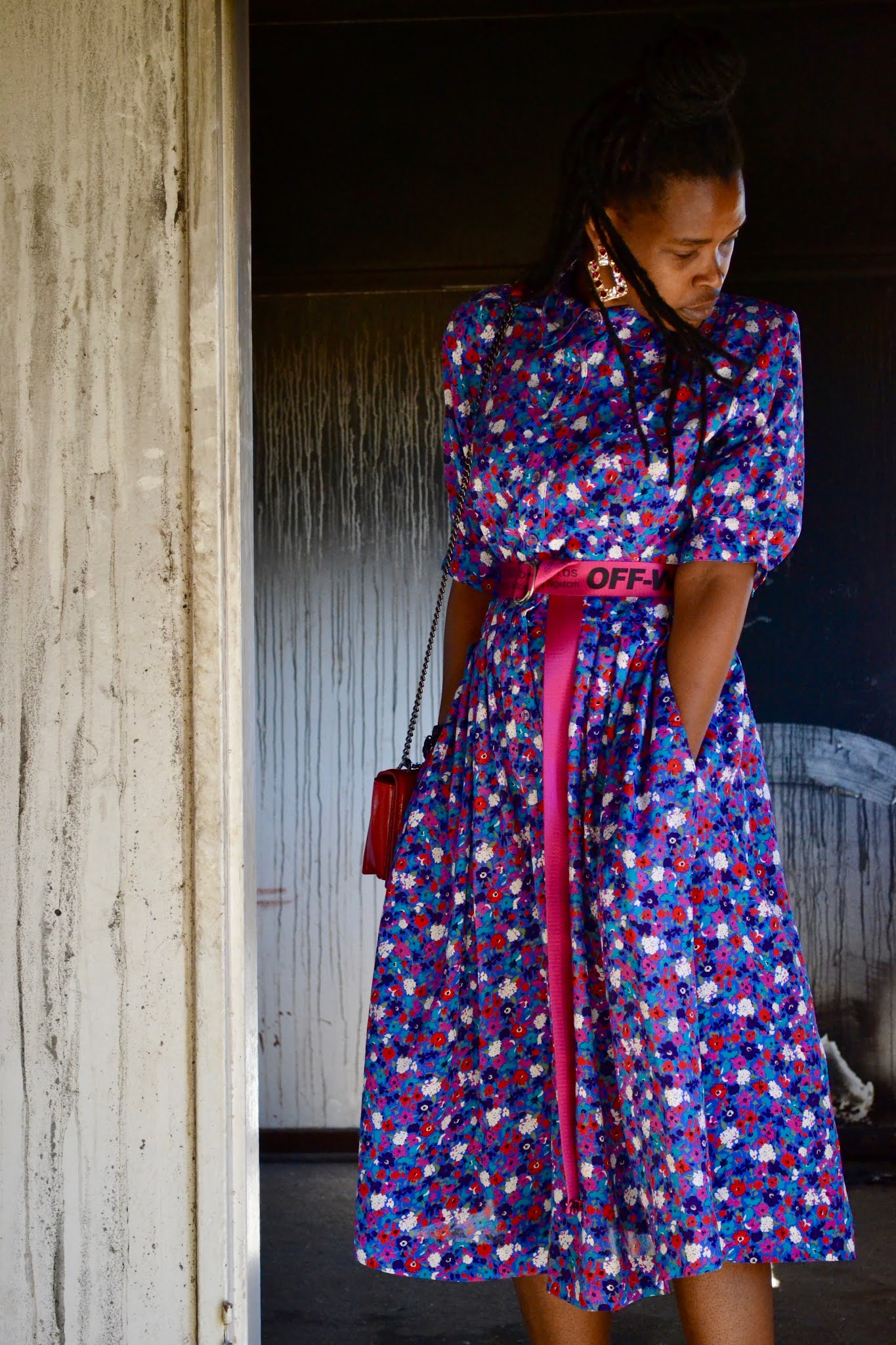
 Images By: Paul Zisiwe

Lovelo

Tallish and languid of walk, with a charm that disarms, tinged with a seemingly detached demeanor, Lovelo is graceful in her stride, composing her robust gait with innocence.

A full smile when harmed is raided by even teeth lined like pearls behind lips on a face bearing strong slim yet rounded features serenely sculptured at birth.

Concealing pride perhaps, she speaks less, and her silence can be an exquisite torture.

While at times affable, generous and lively with her touch, during those rare occasions, her self-assured persona melts to give way to a stylish joviality.

Her waist fleshing firmly in a sway of lightly pronounced hips, on her light feet she waltzes with an inner calm, her eyes are always sparkling and offsetting all mysterious dispositions brooding in her frank mind.

Thickset eyes that often seem wounded, at times a cheerless smile intrudes her face, her breath a soft wind over hills of her breasts.

A mane rests on her skull, drooping threads of black-coiled hair streaming in a flood towards her silent navel.
 
She at joy soars above any black abyss of disappointed dreams like a flower dancing in the wind’s brace, her humming filling rooms with milky light.

Ambushed in a dream her lover withers among frozen ponds of her absence, and only her arrival will shoulder his ashen face that wept through false sunsets and sunrises.

Monday, December 6, 2021

The Dispossessed Through Mirrored Lenses

A NEW COUNTRY/DYING FOR GOLD

Mirror lenses in a nutshell are compact telescopes, mainly based on mirrors rather than glass and they are tools for capturing images, moving or static. 

Yet the expression speaks adequately to a mode of perception that is not refractive but reflective and that which somehow penetrates limits of our optics and involves our inner reflections on a public plane. 


Film, as a craft employs lenses to in fact “shoot and capture”, and based on this premise, any analysis of works made by self-reflective audio-visual practitioners should be viewed yet another mirrored gaze.


And over the past claustrophobic year, this becomes crucial when contemplating two radically political and aesthetically charged documentary films that left an indelible mark on my psyche, first because of their subject matters, and secondly, the filmmakers’ treatment of their narrative.


By some unfathomable serendipity, Richard Pakleppa and Catherine Meyburgh’s DYING FOR GOLD, an indictment on the genocidal practices that founded and sustained the South African mining industry, came into my radar together with Sifiso Khanyile’s A NEW COUNTRY, an intuitive analysis of the psychology of a nation disillusioned by its falsified past and fictitious present.


These two films seemed to possess disharmonic narratives, woven into a somewhat discordant nature of polarized mirrors through which each filmmaker perceived their world of the story. 


The first, giving sight of the origins of inter-generational tyranny that is the mining industry, and the second, its manifest consequences as seen through the eyes of a new generation claiming the gains of a demoralized nation.


The stories seem to continue a thread of ruin and exploitation, Dying For Gold providing a historical critique, which is the cause of the present disharmony of a new democratic dream, while A New Country questions the authenticity of freedom in light of exploitation without tangible and quantifiable reparations.


One film traces the destruction of black family units and the other traces evidence of ruined identities resulting from dislocation felt by children of the dispossessed, and together they narrate a unspoken genocidal history that continues unabated even today.


DYING FOR GOLD pivots on centralizing voices of the aggrieved and decentralizing institutional voices of exploitative enterprises and churning illicit truths of their brutal machinations that brought generations to their knees. 


A film that intricately dissects blisters of bruised bones, lungs and souls of mine workers and their families, providing evidence of inhumane nonchalance to black misery meted out by imperialist corporate voices spying from lofty offices.


Hostels are visibly designed like prisons to house men who volunteered for their servitude, cramped testosterone in cubicles packed with cement bed posts under asbestos roofing.

But what becomes of their children and wives, one might ask?


A surgical display of a racist lens that viewed blacks as sub-human, which is the dominant view the affluent white minority held when devising schemes of dispossession of land and possession of black bodies is boldly provided through clinical statistical data provided through audio archives of secret meetings and correspondences.


Through aerial shots of mining infrastructure, giving an air of observation from above, not interrupting the dignity of those denuded by poverty and rampant disregard for human sanctity, DYING FOR GOLD delves into intimate interviews with concerned persons whose livelihoods have been irreparably shattered.

And this perspective of invisible purveyors of power adds mystery to the blatant disdain for black masses entrenched through exploitative labor practices.


***


I constantly wonder why the urge to view the two films felt imperative, and after thoroughly engaging with their subject matter from the vantage point of a people steeped in disparate poverty resultant from well-sustained inequalities.


In Dying For Gold, voices of parents who felt the brunt of dispossession and lamentations of those herded to migrant labor camps are prominent narrators of the effects, while inversely in A New Country, voices echoed through lips of latter generations of those dispossessed as living victims of an ongoing imperialist project that leaves black folk disoriented by perpetual servitude.


In Dying For Gold are slovenly bodies with maimed dreams speaking innocently of their shattered present lives, in A New Country their children analytic of the slave purgatories that sundered their familiar bonds.


Like two mirrors facing each other, the films reflect two generations facing each other’s tainted realities, and the consequent disorientation that eclipses basic morality. 


The two films, viewed as mirrored lenses on a history unresolved posit pivotal social discourse on bare and dilapidated walls of the oppressed, exposing their oppressors’ intentions for exploitations, the naiveties of the oppressed as well as the moral campus of a world that has a disdain for black folk.


(These thoughts are still simmering and evolving.)


Both films are startling in their own way, dealing with equally vital subject matter, the past and its impact on the present, gazed upon by eyes confronted by a vast fabric of external opinions.


Each theme as treated by these films metastasizes into indiscriminant tales of urban alienation together with rural suffocation, seemingly occurring in unobstructed continuity and similitude. 


When I always engage Khanyile, there is always a prudence of fervor about matters close to his heart, such as the black condition within a milieu of social discrepancies characterizing the modern age, and this is visible in his documentary films.


There are plenty of diverse issues addressed by his recent meditative documentary A New Country, which he admits having “drained and extracted all optimism I had for this country”.


 A young filmmaker making a mark on a growing compendium of contemporary voices in continental cinema, he remains perennially relevant, using his craft to become a best channel imaginable for the urgent questions we have today as a society.


Not cluttered with personalized details, the narration speaks of a method of distilling a vast array of opinions into a coherent impulse, paced through galvanizing shots and edits, all woven into rhythm by sublime sonic interpretations of moods.


And with an intriguing crop of minds speaking on contentious issues related to identity, sexuality, economic freedom versus equal access to mineral wealth and the colonial legacy of neo-imperialism, A New Country is a brave collection of thoughts by minds who are proprietors of a diseased legacy.


Although it poses divergent opinions in harmonious sequences of intentionality, the film, unintentionally I suppose, often feels like an academic dissertation from multiple trajectories speaking from a single vantage point of those begrudged souls vindicated by public evidence.


This is not a terrible thing when one accepts the inextricable continuity that belies all struggles assailing this disillusioned generation of freedom’s children, for even though occupying different socio-economic strata, a commonality of ruined lives is omnipresent.


Dying For Gold on the other hand, while becoming a filmic witness to the treachery of conditions underground and aboveground, exposing various deceptive techniques used within the mining industry’s propaganda machinery, its use of archives and old films of the time explicitly testifies to the exploitation, prejudices and utter contempt for future generations.


The intonations of cold commentary juxtaposed with approved images by the powers that be, are haunting reminders of the disregard for human dignity that influenced and characterized all adopted policies of a tyrannical apartheid regime, as well as its repercussions into the future.


These two films will go down in our memories as a dare for a generation of activists, who require adequate ideological grounding in order to confront all organized exploitation with eloquent dissidence.


And as I hope that Sifiso Khanyile has mustered his faith in the trajectory our new minds are geared t guide the country, I wonder if he has changed his mind after allowing truth to excruciate his person for the sake accountability to the past.


Catherine and Richard are active in this collectively continued struggle for reparations for the mineworkers, with those fathers and mothers who shared their stories being among a vast majority now relegated to obscurity of rural existence, discarded like used tools and forgotten by globe-trotting profiteers.


And it is my hope that these documentaries travel far and wide to townships and squatter-camps, mine hostels and churches, schools and taverns, in order to sensitize our communities about a ceaseless assault on the livelihood of the poor and disadvantaged.


It is when artistic practice bends to the whispers of those rendered voiceless, when film speaks in the jargon of the maimed, with them and on their behalf, that is when film BECOMES that which is not only a reflection but an introspective gaze into all horrors that make up our troubled physical and inner spaces.

Tuesday, November 16, 2021

Dathini Mzayiya – The Gravity Of Politics In Art

What is a political art, I often ask myself when observing various works denoting or depicting political scenes, upheavals and personages either in iconoclastic representations or deviant renditions that speak of an expressed sentiment.

The malaise is further exacerbated when exploring a number of Dathini Mzayiya’s works which, as I believe, provide very living metaphors to the confusion of our dead past and breathing present.

A commitment to blackness, as a form of lived disharmony with purported gains of its liberation or lack thereof, the lurking visages of brute force, symbolized by police brigades greased in blood, are yet other iconic indictment on brutalities experienced at the hands of a law. 

His work critiques pluralities of terror against blackness, through layered techniques that express an excess of prohibitions and obstacles within the black experiences in post-apartheid South Africa.

The Saints (2012), also referred to as The Founding Fathers is an emancipatory piece which is not timid in its depiction of a social myths sustained by self-gratifying leaders. Revisiting the work in light of the recent passing of FW De Klerk, one is given untranslatable co-presentation of memory past and present.

As a descriptive, or an interpretative or an explicitly critical approximation of two former leaders, who appear to have painted halos over each other’s heads, the artwork is a crucial as well as a participatory, social activism in light of new form of political communication about our fraudulent past. 

Provocative themes of tokenism are hinted in work depicting the EFF as SOLD, or the altered face on an ANC campaign poster, are speaking as political witness where the black body is a constant battleground for exploitation and fetishism and eventual corruption. 

And as a long tradition of “urban artivists” have always accepted that no art produced against tyranny and violence is ever in vain, such are the vague and nebulous piece expressing Dathini’s feelings about events such as the murder of Andries Tatane and the subsequent acquittal of the POLICE force that fatally shot him, in a purportedly democratic South Africa. 

These pieces form a gloomy chorus of black hopelessness, retracting from established versions of facticity and historical memory, providing a post-political rhetoric devoid of allegiances.

I often stare aimlessly at somewhat destroyed identities fractured on Dathini’s canvases, a mosaic of anonymities exquisitely executed in epic depictions of present histories and believe that the gravity of art is a catalyst in complicating and not simplifying the perceived truth of violations.


This bravery is evident among many young South African artists and should be commended and lauded, even though there might be an alarming anonymity of social spaces for such visceral art that explores vivid narratives of an immediate struggle, especially in townships.

 It is now becoming a concern for galleries prone and accustomed to curate according to market-based tastes that they seem to cater less and less for the ideologically astute citizen who is not interested in utopian escapism, and given art’s interpretive openness, a need for spaces with diversely progressive visions is evident.

Art that is a form of political discourse, is now becoming a norm even in often otherwise conservative spaces where Dathini is working and exhibiting, which could be prelude to the return of art that is insusceptible to traditional political analysis, speaking to current trends and steeped in ideological dissidence and subversions. 

And while some of our talented creative practitioners receive their recognition and public acclaim, there still remains a vast majority who are yet to find audiences. This could be because there still exists trends that privilege certain art practices, thus marginalizing by means of epistemic downgrading other forms of expression.

Artists representing political views are not immune to segregation and perpetual lack of resources; and this can be countered by establishing collective art safe zones, where unrestricted creativity is allowed to flourish.

Images sourced from Artist's Pages

Swelling Mud And (De)formed Vessels

  After engaging with various exhibitions of his pottery, I am forever intrigued by the   complexity of pottery master Mpho Gorewang’s forms...